

MOLAR ROOT CANALS
Professional Care in Conyers and Stockbridge
We provide fast and efficient root canal treatments to save damaged teeth and restore smiles!
Molar Root Canal Treatment in Conyers and Stockbridge
We provide precise, efficient molar root canal treatments to relieve pain, eliminate infection, and save your natural tooth.
If you’re experiencing soreness, lingering sensitivity, sharp pain while chewing, or deep decay in the back of your mouth, it could be a sign of infection in a molar tooth. Molars have multiple roots and complex canal systems, and early diagnosis is essential to protect the tooth and prevent the infection from spreading. When appropriate, a molar root canal can make all the difference in preserving your comfort, function, and long-term oral health.
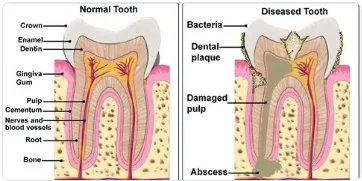
What Is Molar Root Canal Treatment?
A molar root canal removes infection from the inside of a molar tooth and prevents the need for extraction. Molars contain multiple canals and a larger amount of pulp tissue—meaning decay, trauma, or bacteria can quickly compromise the tooth.
After a thorough exam and digital X-ray, our team can assess the condition of the molar and determine whether a root canal is needed. During treatment, we create a small opening in the tooth, carefully clean and disinfect each canal, remove infected tissue, then fill the canals with biocompatible gutta-percha to stabilize and protect the tooth. Because molars bear most of your chewing force, a custom dental crown is typically placed afterward for full strength, support, and longevity.

What To Expect At Your Root Canal Visit
At Sacred Dental, our priority is your comfort and peace of mind. Molar root canals have a reputation for being intimidating due to the complexity of the tooth, but with modern anesthetics, advanced techniques, and a calm, supportive environment, most patients describe the procedure as no more stressful than getting a filling.
During your consultation, our team explains each step, reviews your X-rays with you, and ensures you have all the information you need before choosing how to proceed. We move at your pace and make sure you feel fully supported throughout your visit.
When Might I Need a Root Canal Treatment?
Schedule an evaluation if you notice any of these symptoms, especially in a back tooth:
Decay in a tooth or teeth
Infection in the pulp
Bleeding or swollen gums
Noticeable infection causing pain or even sickness
Sensitivity to hot and cold foods or beverages
Discoloration in a tooth (this may be due to damaged roots and internal breakdown)
Cracked or chipped teeth damaged enough to allow the entry of bacteria
What Happens After a Molar Root Canal?
Comfort: Mild soreness or sensitivity is normal. Over-the-counter pain relievers and cold compresses can help reduce inflammation. You should not feel sharp pain once the infection is removed.
Eating: Stick to softer foods—yogurt, smoothies, eggs, oatmeal—and chew on the opposite side until your crown is placed.
Smoking/Vaping: Avoid if possible, as it slows the healing process and can irritate surrounding tissues.
Exercise: Light activity is fine, but avoid intense exercise for a couple of days.
Rest: Allowing your body to rest helps your tissues heal more quickly and comfortably.
Saving Natural Tooth and Relieving Pain:
The Magic of Root Canals
A root canal removes infection from a tooth and restores its health, preserving both your smile and natural tooth structure.

Pain Relief
Root canals eliminate pain caused by deep decay or infection of a tooth’s inner “pulp,” ensuring comfort and a successful procedure.
Tooth Preservation
Root canal therapy saves your tooth’s original structure, preventing the need for an extraction and dental bridges or implants.
Prevention
Root canals limit the impact of infection to the affected tooth, preventing it from spreading to surrounding teeth and gum tissue.
Frequently Asked Questions
Question 1: What should I expect after a molar root canal procedure?
If you have an infected tooth and need a root canal, your Winter Springs dentist can remove the infection and alleviate your pain. However, what should you expect once the root canal procedure is complete? Keep reading to learn what you need to know after undergoing root canal therapy.
Question 2: Why do I need a root canal?
A root canal is necessary when the pulp inside your tooth becomes infected or inflamed, usually due to deep decay, cracks, trauma, or repeated dental procedures. It helps save your natural tooth and prevent further damage.
Question 3: How long does a root canal take?
Most root canal treatments can be completed in just one visit, but complex cases may require a follow-up. Your dentist will let you know what to expect based on your specific needs.
Question 4: What happens after the procedure?
You may feel mild sensitivity for a few days, which can be managed with over-the-counter pain relievers. A crown or permanent filling is usually placed afterward to restore strength and function to the tooth.
Question 5: Can a root canal save my tooth?
Yes! Root canals are highly effective at saving natural teeth. With proper care, a tooth that has undergone a root canal can last a lifetime.


Stockbridge Location
4362 N. Henry Blvd,
Stockbridge, GA 30281
Hours of Operation
Fridays & Mondays: 9am to 5pm
Tuesday To Thursday: Closed
Conyers Location
1360 Dogwood Dr SE,
Conyers, GA 30013
Hours of Operation
Fridays & Mondays: Closed
Tuesdays-Thursdays: 9am to 5pm
© Copyright 2026 | GIVR MEDIA | All Rights Reserved.