
TOOTH EXTRACTION
Your Comfort Comes First
Our team is here to support you with compassionate care and a stress-free procedure.
Tooth Extractions in Stockbridge / Conyers GA
Supportive Care from a Compassionate Team
At Sacred Dental, our goal is to provide you with all the preventive and restorative services needed to preserve your natural tooth structure. When a tooth is decayed or damaged, our first step is to try to save it by using restorative and general dentistry treatments to meet your unique needs.
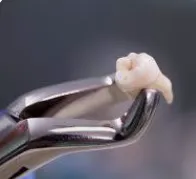
But in some cases, a tooth removal may be necessary to protect one's oral health and prevent further complications. We only suggest tooth removal if a person's tooth can be so unhealthy or severely damaged that we're unable to save or repair it
There are very few people who aren't intimidated when facing tooth removal. It's normal to be apprehensive in this situation, but your comfort is one of our highest priorities. Our caring and supportive team has helped many fearful patients relax and get the critical care they need.
During your appointments, our focus is entirely on you.
If something concerns you, it concerns us, so please don't ever hesitate to let us know what's on your mind. We will tailor your treatment to your unique needs and do everything possible to ensure that your procedure is as stress-free, painless, and efficient as possible.
If you need some extra help to relax, Dr. Agatha Nwizu can prescribe a calming medication for you to take about an hour before your procedure. When you arrive at our dental office, you will feel a sense of well-being and calm. In fact, many patients report dozing off during treatment!
Teeth Cleanings & Preventive Dentistry:
The Foundation for a Healthy Smile
Regular dental cleanings and checkups are essential for maintaining strong teeth and gums, beautiful smiles, and fresh breath.

Plaque Removal
Professional teeth cleanings eliminate plaque buildup that daily brushing can’t reach, reducing the risk of cavities and gum disease.
Early Detection
Routine dental exams catch potentially serious problems before they become serious, saving you time and money on future treatments.
Brighter Smiles
Professional teeth cleanings can remove surface stains and allow you to enjoy a clean, rejuvenated smile after just one visit!
Question 1: How to know if it's healing or a dry socket after a tooth extraction?
A dry socket occurs when the protective blood clot in the tooth extraction site doesn’t form or becomes dislodged, exposing bone and nerves and causing significant pain. Normal recovery takes about a week, with mild bleeding, jaw stiffness, and some discomfort. Warning signs of dry socket include mouth or facial pain, tenderness, foul taste, and bad breath. While it often heals on its own, dentists can provide relief through medicated gauze, cleaning the area, pain relievers, antibiotics, and aftercare instructions. Avoid smoking and using straws to reduce your risk—call us today to learn more about safe tooth extraction and recovery.
Question 2: When can I resume normal activities after a tooth extraction?
When you search for a “dentist near me” because something feels wrong, you hope everything is fine—but sometimes a tooth can’t be saved, and an extraction is necessary. After a tooth removal, you should rest for two to three days to avoid dislodging the blood clot and causing a painful dry socket. Follow your dentist’s aftercare instructions closely: avoid hard foods for a day, mouthwash for two days, smoking for three days, exercise for four days, coffee for five days, drinking through straws or forceful spitting for seven days, and alcohol for ten days.
Question 3: How can I minimize swelling after a tooth extraction?
To minimize swelling after a tooth extraction, apply a cold compress to the outside of your cheek for 10–20 minutes at a time during the first 24 hours. Keep your head elevated when resting, avoid strenuous activity, and follow all post-operative instructions provided by your dentist. Sticking to soft foods, staying hydrated, and taking recommended anti-inflammatory medications can also help reduce swelling and support a smoother recovery.
Frequently Asked Questions


Stockbridge Location
4362 N. Henry Blvd,
Stockbridge, GA 30281
Hours of Operation
Fridays & Mondays: 9am to 5pm
Tuesday To Thursday: Closed
Conyers Location
1360 Dogwood Dr SE,
Conyers, GA 30013
Hours of Operation
Fridays & Mondays: Closed
Tuesdays-Thursdays: 9am to 5pm
© Copyright 2026 | GIVR MEDIA | All Rights Reserved.