
TEETH CLEANINGS & EXAMS (PREVENTATIVE)
Stop Dental Problems before They Begin
Have you been to the dentist recently? Preventative cleanings, exams, and other services keep your smile healthy!
Preventative Dentistry in Stockbridge / Conyers GA
If you’re like most patients at Sacred Dental, you probably know that the key to keeping your smile looking healthy and beautiful is brushing and flossing every day.
By caring for your teeth properly at home, you decrease the number of bacteria in your mouth that lead to tooth decay and periodontal disease. And, when you combine this excellent at-home oral hygiene with regular visits to your dentist, you have the best recipe for a healthy smile.
Frequent teeth cleanings and exams are the cornerstones of preventative dentistry, so if it’s been longer than six months since your last visit to the dentist, we encourage you to call and schedule an appointment with us as soon as you’re able!
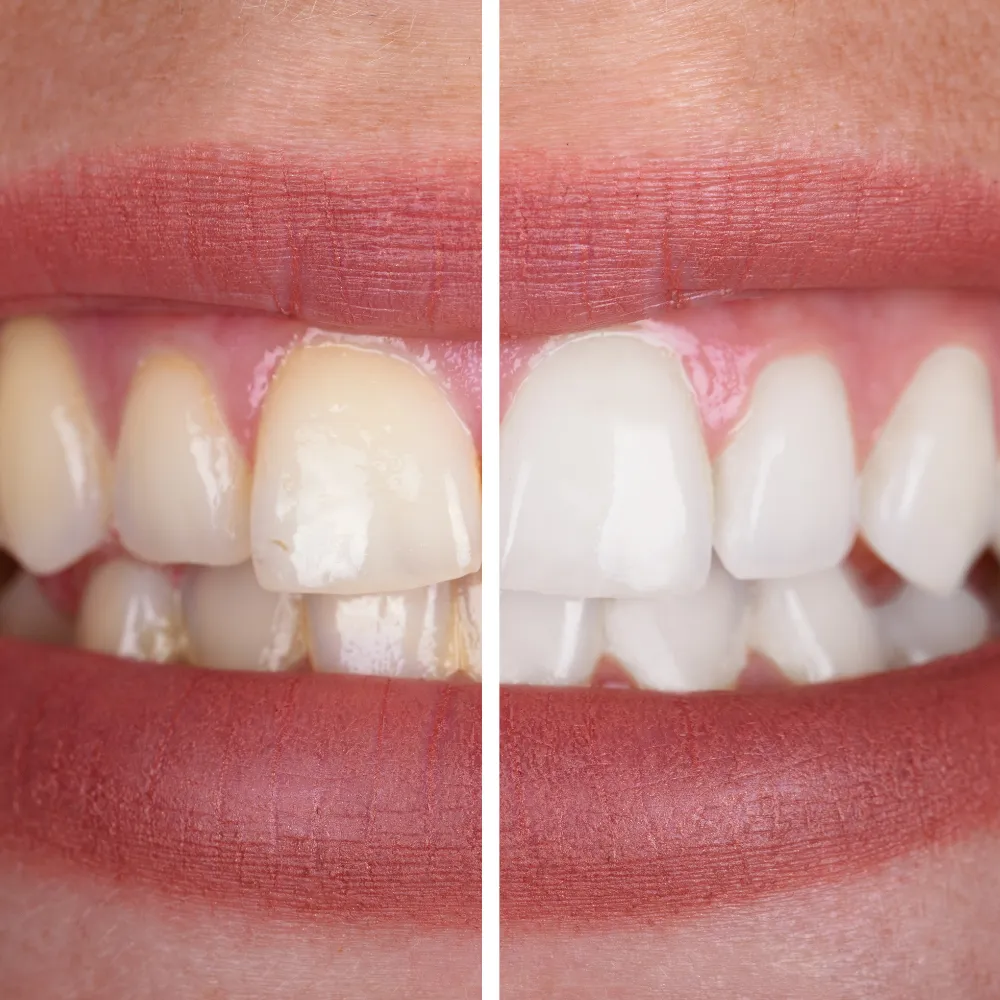
Prevention Keeps Your Smile Healthy
Keeping your mouth healthy and free of harmful bacteria should be just one part of an overall preventative dental plan.
You can avoid many dental problems by brushing and flossing after every meal, visiting the dentist at least twice a year for examinations and cleanings, and eating a healthy diet.
There are many advantages to practicing proper oral health prevention. Taking care of your smile helps you:
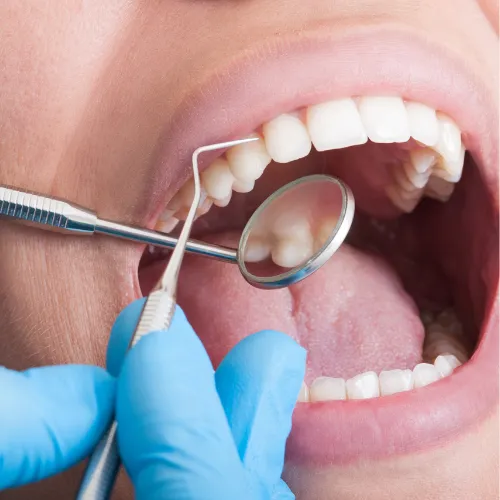
Benefits of Preventative Dentisty
● Keep your natural teeth for longer
● Reduce your risk for cavities and gum disease
● Enjoy a fresh, clean, and more attractive smile, which in turn helps boost your confidence,
A hidden benefit of good preventative oral care is that it is much less expensive to maintain a healthy smile than to address problems after they develop!
By keeping up with your dental hygiene at home and visiting your dentist’s office on a regular basis, you give yourself the best chance at maintaining a problem-free smile.

Routine Dental Appointments
The American Dental Association recommends multiple visits to your dentist each year so that it’s easy to keep an eye on your dental health and spot problems early on before they progress and damage your oral health.
When you see your dentist every six months, it’s unlikely that they won’t spot any cavities, infections, or diseases right away because they consistently monitor your health. When you skip visits or go several years between trips to the dentist, however, you’re much more likely to experience painful, serious, and expensive dental problems because the conditions will be allowed to fester and progress.
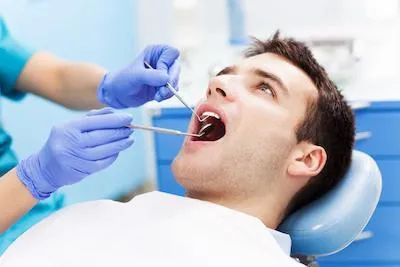
How We Can Help
During your semi-annual dental appointments, Dr. Agatha Nwizu carefully checks your mouth for signs of periodontal disease such as gingivitis.
A bacterial infection triggers this early form of gum disease that causes the gums to become irritated, inflamed, and to bleed easily during brushing.
Without treatment, gingivitis can advance to periodontitis.
Periodontitis causes your gums to separate from your teeth and leave pockets where food particles and bacteria collect. These pockets can become infected and lead to the deterioration of the bone and tissues that hold the teeth in place. If left untreated, teeth become loose and can even fall out.
The best two ways to protect yourself against needing gum disease treatment in Conyers and Stockbridge are to floss your teeth at least once every 24 hours and to visit your dentist at least every six months for your dental check-ups.
Teeth Cleanings & Preventive Dentistry:
The Foundation for a Healthy Smile
Regular dental cleanings and checkups are essential for maintaining strong teeth and gums, beautiful smiles, and fresh breath.

Plaque Removal
Professional teeth cleanings eliminate plaque buildup that daily brushing can’t reach, reducing the risk of cavities and gum disease.
Early Detection
Routine dental exams catch potentially serious problems before they become serious, saving you time and money on future treatments.
Brighter Smiles
Professional teeth cleanings can remove surface stains and allow you to enjoy a clean, rejuvenated smile after just one visit!
Frequently Asked Questions
Question 1: What is better, a manual toothbrush or an electric one?
We recommend electric toothbrushes. Electric toothbrushes have a timer ensuring that you brush forthe full recommended 2 minutes. Additionally, most electric toothbrushes have a sensor that will letyou know if you are brushing too hard so you don’t damage your gums.
Question 2: Why is flossing important?
Flossing is important to clean in between teeth where your tooth brush cannot reach. For patients whohave difficulty flossing we recommend a Waterpik water flosser. The Waterpik’s head can angle to gounder the gum line, further than floss, making it ideal for cleaning around bridges, implants, andperiodontally involved areas.
Question 3: How often do I need to see a dentist?
The American Dental Association recommends visiting a dentist two times a year - about every six months. However, depending on your specific needs you may need to be seen more frequently. By making regular visits to your dentist we can often catch problems while they are small and less expensive.
Question 4: What happens during an oral cancer screening?
Did you know that, according to the National Cancer Institute, oral cancer is responsible for one death every hour in the United States? This silent and often painless condition can be difficult to detect on your own, which is why routine dental exams and screenings are so important.
During an exam, your provider performs a careful evaluation of your tongue, soft tissues, and gums to look for any signs of concern. Advanced screening technology such as the Trimira Identafi 3000 may also be used for an additional fee. This device utilizes multiple light wavelengths to help identify abnormalities that may not be visible under normal lighting. Early detection significantly improves the chances of successful treatment and recovery.
Oral cancer can sometimes resemble harmless canker sores, so it’s important to notify your dental professional of any unusual changes you notice in your mouth. Additional warning signs may include:
• Throat pain or discomfort when swallowing
• Red or white patches in the soft tissues
• A growth or lump inside the mouth or neck
• A sore that does not heal within 14 days
• Ear pain
Your best defense against oral cancer is regular screening during routine dental visits. Contact your dental office to schedule an oral cancer screening and stay proactive with your health.
Question 5: Is a tooth extraction the result of gum disease?
Unfortunately, many tooth extractions in the United States are the result of gum disease. In fact, gum disease is the leading cause of tooth loss in American adults. While this is a serious concern, the good news is that gum disease is largely preventable with proper care and early intervention.
What Is Gum Disease?
Also known as periodontal disease, gum disease is an infection of the gums and the bone that support your teeth. It typically develops when plaque and bacteria are not thoroughly removed, causing irritation and inflammation. As the condition progresses, the infection can move below the gumline and begin damaging the supporting bone. Without proper management, gum disease can weaken the foundation of your teeth and eventually lead to tooth loss.
How You Can Prevent Gum Disease
Routine dental cleanings and exams every six months are one of the most effective ways to protect your oral health and prevent gum disease. Regular visits allow for early detection, which means treatment can be less invasive and, in many cases, the condition can even be reversed in its early stages.
If it’s time for your next preventive cleaning or checkup, be sure to contact your dental provider to stay proactive about your gum health.


Stockbridge Location
4362 N. Henry Blvd,
Stockbridge, GA 30281
Hours of Operation
Fridays & Mondays: 9am to 5pm
Tuesday To Thursday: Closed
Conyers Location
1360 Dogwood Dr SE,
Conyers, GA 30013
Hours of Operation
Fridays & Mondays: Closed
Tuesdays-Thursdays: 9am to 5pm
© Copyright 2026 | GIVR MEDIA | All Rights Reserved.